2026 Dacia Duster : The 2026 Dacia Duster is turning heads not just in Europe but across the Atlantic, where American buyers are increasingly curious about a compact SUV that promises rugged capability at a fraction of the price of mainstream rivals.
Built on a new platform shared with Renault and Nissan’s global SUVs, the latest‑generation Duster blends off‑road attitude with modern tech, making it a compelling proposition for value‑driven U.S. consumers—if Dacia ever decides to plant its flag in North America.
What the 2026 Duster Actually Is
The 2026 Dacia Duster is the third generation of a subcompact crossover that has spent over a decade redefining “affordable SUV” in Europe, the Middle East, and parts of Asia.
Under the Renault Group umbrella, Dacia positions the Duster as a no‑nonsense, lifestyle‑ready SUV with raised ground clearance, simple but durable hardware, and enough space for families or weekend adventurers.
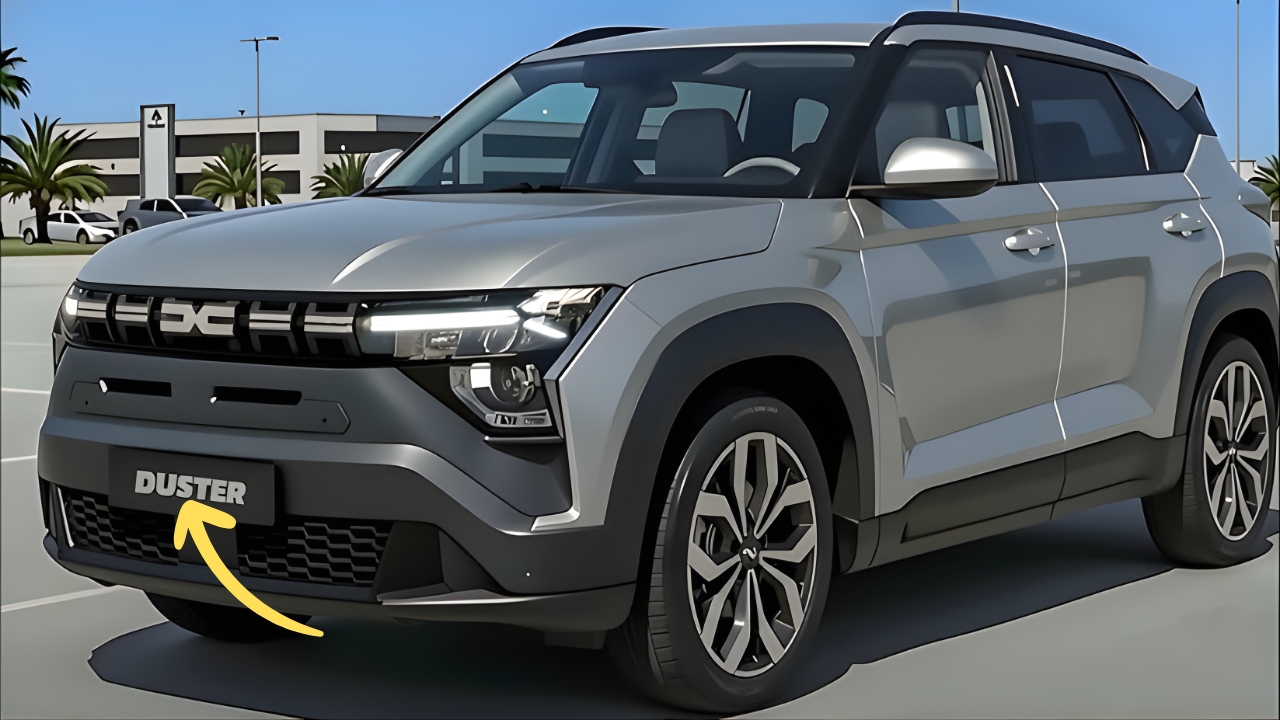
For 2026, Dacia has sharpened the styling with full‑LED headlights, a slimmer grille, and more sculpted bodywork that gives the Duster a tougher, more contemporary look without drifting into over‑styled territory.
Inside, the cabin swaps much of the old‑school utilitarian feel for a cleaner dashboard, a central touchscreen, and better materials, while still keeping the focus on practicality rather than luxury.
Powertrains and Capability
Under the hood, the 2026 Duster leans heavily on petrol‑based powertrains, including naturally aspirated and turbocharged engines paired with mild‑hybrid or full‑hybrid systems in select markets.
A 1.8‑litre petrol‑electric hybrid setup, for example, can deliver around 160 horsepower and 172 Nm of torque, offering decent punch for city driving and light towing while keeping fuel consumption in check.
Four‑wheel‑drive variants remain a core part of the Duster’s identity, with mechanical or hybrid‑based AWD systems tuned more for rough roads and loose surfaces than hardcore rock crawling.
Ground clearance of roughly 210 mm and a raised ride height mean the Duster can handle gravel tracks, muddy trails, and uneven construction‑site access roads without fuss, which is exactly the kind of versatility many U.S. buyers look for in compact SUVs.
Why Americans Are Talking About It
Even though Dacia does not currently sell cars in the United States, the 2026 Duster keeps popping up in U.S.‑centric forums, blogs, and YouTube channels as a “what‑if” alternative to overpriced domestic and imported SUVs.
Enthusiasts point out that a Duster‑style vehicle could undercut rivals like the Hyundai Kona, Kia Seltos, and even the Ford Bronco Sport by several thousand dollars while still offering similar space and basic off‑road ability.
Some third‑party sites already list speculative U.S. pricing for a 2026 Duster around the low‑ to mid‑$20,000 range, positioning it as a rugged, no‑frills SUV that could appeal to budget‑conscious families, gig‑economy drivers, and outdoor‑oriented buyers.
That kind of value‑for‑money story resonates strongly in a U.S. market where new‑car prices have climbed steadily and many shoppers feel priced out of mainstream brands.
Safety, Tech, and Everyday Usability
On the safety front, the new Duster platform incorporates modern crash‑protection structures and electronic driver‑assistance features such as automatic emergency braking, lane‑departure warning, and speed‑limit recognition, which align with current European regulations.
For a U.S.‑bound version, these systems would likely be tweaked or upgraded to meet NHTSA and IIHS standards, but the basic architecture already supports a reasonably high safety baseline.
Inside, the 2026 Duster typically offers a central touchscreen running Dacia’s Media Nav Live infotainment, with smartphone‑connectivity features like Apple CarPlay and Android Auto, rear‑view camera, and Bluetooth audio.
Physical buttons for climate control and key functions remain, which many drivers still prefer over fully touch‑screen‑driven cabins.
Boot space hovers around 500–520 litres, expandable with the rear seats folded, making it suitable for groceries, camping gear, or a couple of large suitcases.
The Big Question: Will It Come to the U.S.?
At present, Dacia remains a Europe‑centric brand with no official plans to launch in the United States. Analysts note that entering the U.S.
market would require significant investment in homologation, dealer networks, and marketing, all of which could dilute the ultra‑budget positioning that defines Dacia’s identity.
Some speculate that if Renault or Nissan ever decide to bring a Duster‑based SUV to North America, it would likely wear a Renault or Nissan badge rather than the Dacia name.
That said, the growing interest in affordable, capable SUVs in the U.S. means the Duster’s formula is not going unnoticed.
If consumer pressure and market conditions shift, a U.S.‑spec Duster or a close sibling could appear as a low‑cost alternative in the compact SUV segment, potentially shaking up pricing and forcing rivals to rethink their own value propositions.
2026 Dacia Duster
The 2026 Dacia Duster is a textbook example of how a budget‑focused brand can still deliver real capability, modern design, and everyday usability without chasing luxury trappings.
For U.S. buyers, it represents a tantalizing “what‑if” scenario: a rugged, compact SUV that could undercut mainstream rivals while still handling daily commutes and weekend trails with ease.
Also Read This : 2026 Toyota RAV4 Overview ultimate features, stylish design
Until Dacia or Renault‑Nissan officially commit to a North American launch, the Duster will remain a European‑market hero—but one that keeps inspiring conversations about value, simplicity, and the kind of SUV many Americans feel they are no longer being offered.